

Understanding the psychology of risk in gambling decisions
The Nature of Risk in Gambling
Risk is an inherent part of gambling, playing a crucial role in attracting players. Understanding how individuals perceive risk can shed light on why they engage in gambling activities. For many, the thrill associated with the potential for significant rewards can outweigh the possibility of loss. This complex interplay between risk and reward often leads to irrational decisions, as emotional responses can overshadow logical thinking. For those interested in learning more, you can check details about safe gambling practices.
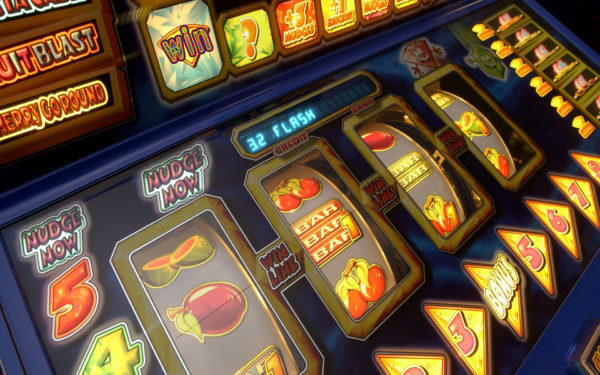
Moreover, the perception of risk is influenced by personal experiences and beliefs. Gamblers often evaluate the odds based on anecdotal evidence or past successes, which can lead to an inflated sense of control over the outcomes. This false sense of security can encourage further gambling, despite the inherent randomness of games.
Psychological Triggers in Gambling
Cognitive biases heavily influence gambling decisions. One common bias is the illusion of control, where players believe they can influence the outcome of a game through skill or strategy, even when outcomes are fundamentally random. This belief can drive players to take greater risks, as they feel more empowered than they are in reality.
Additionally, the concept of “near misses” plays a significant role in reinforcing gambling behaviors. When players come close to winning, it can trigger a rush of excitement, leading them to gamble more in hopes of eventually hitting the jackpot. This psychological phenomenon often clouds judgment and encourages riskier betting, as players chase the feeling of near success.
The Role of Emotions in Gambling Decisions
Emotions are a powerful force in decision-making, especially in gambling. High-stakes situations can evoke feelings such as excitement, anxiety, and even desperation. These emotions can lead to impulsive decisions that deviate from rational thought. For instance, when players are on a winning streak, they may feel invincible and place larger bets, disregarding potential losses.
Conversely, when experiencing losses, players might engage in “chasing” behavior, attempting to recover lost money through increased wagers. This emotional rollercoaster can trap gamblers in a cycle of risk-taking, often leading to significant financial consequences. Understanding these emotional triggers can be vital in promoting responsible gambling behaviors.
The Influence of Social Factors
Social dynamics also play a significant role in gambling decisions. Many individuals are influenced by their peers, often feeling pressure to conform to group behaviors. This can lead to riskier decisions, as gamblers may increase their stakes to impress friends or gain acceptance within a group.
Furthermore, the social environment of gambling establishments, such as casinos, is designed to enhance excitement and reduce perceived risks. Bright lights, sounds, and the presence of other enthusiastic players create an atmosphere that can amplify risk-taking behaviors. Understanding these social influences is essential for those looking to foster healthier gambling practices.

Enhancing Your Online Gambling Experience
Our website serves as a valuable resource for navigating the ever-evolving landscape of online gambling. We provide comprehensive reviews and insights that help users make informed decisions about where to play. By understanding the psychology behind risk in gambling, players can better assess their choices and approach gaming with a balanced mindset.
Whether seeking information on the latest casinos, exclusive bonuses, or safe gambling practices, we offer the tools necessary to enhance your online gaming experience. Join us to explore the best platforms tailored to your preferences while promoting responsible and enjoyable gambling habits.
